
Construction & Engineering
Building with confidence: How LiDAR reduces risk across a project’s lifecycle
15 Jun 2026
 |
Nigeria, Niger and Algeria push ahead with 4,128km gas export corridor to EuropeThe Trans-Saharan Gas Pipeline, a 4,128km project linking Nigeria, Niger and Algeria, is moving ahead with construction now underway on Algeria’s section and Niger expected to begin work in 2027. 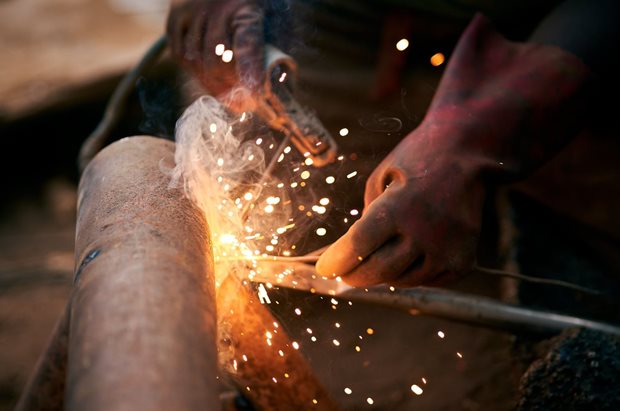 Source: Pexels. The pipeline is designed to carry up to 30bn m³ of Nigerian natural gas annually to Algeria’s Hassi R’Mel hub, from where it can be exported to European markets by means of existing infrastructure. It forms part of broader efforts to diversify Europe’s gas supply after reduced Russian imports. The project still faces major hurdles, including financing, security risks and competing plans such as the Nigeria–Morocco pipeline route. Construction of the Algerian section marks a key milestone for the energy corridor, with work covering about 1,210km from the border with Niger to Aoulef in southern Algeria before linking into existing pipelines that connect to the Hassi R’Mel gas hub. The launch was attended by energy officials from Nigeria, Niger and Algeria, underscoring the trilateral nature of the project and its role in strengthening regional energy co-operation. Much of Algeria’s supporting pipeline infrastructure is already in place, which is expected to reduce the scale of additional construction needed in the country. Construction & Engineering Building with confidence: How LiDAR reduces risk across a project’s lifecycle 15 Jun 2026 Energy route shiftNiger is expected to begin construction on its 720km section in early 2027, extending the pipeline westward from Nigeria through the Sahara. Officials have described the project as a potential driver of economic development, with benefits expected for communities along the route through jobs and infrastructure investment. Once completed, the system would give Nigeria an additional export route alongside its existing liquefied natural gas shipments, while reinforcing Algeria’s role as a major supplier to Europe. Algeria currently provides about 12% of European Union gas imports. Interest in the project has increased since Europe sought alternatives following Russia’s invasion of Ukraine, as the EU moves to phase out Russian pipeline gas by 2027, despite competing Atlantic route plans' ongoing uncertainty. |