

 |
Ford's Tarryn Knight: "Silver is sensible, but Orange sells the dream"Somewhere in a dealership this weekend, a perfectly rational adult will stand beside a car, catch their own reflection in the paintwork and buy it for reasons they would never dare put on the finance application. 15 Jul 2026 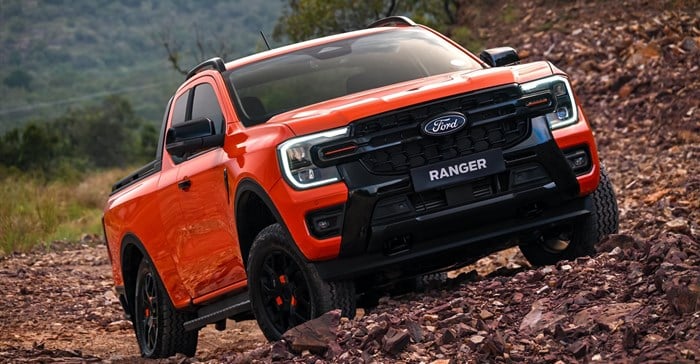 Customers buy the reflection of themselves, not just the car. Orange sells the dream. Silver sells the tech, writes Ford Motor Company of Southern Africa head of marketing Tarryn Knight (Image supplied) Not the torque. Not the residuals. But because, in that particular shade, standing at that particular angle, they looked - how to put it – ‘rather good’. The sensible explanation will come later. It always does. But the decision to buy that car was made in the reflection long before the spreadsheet was consulted. The emotional decision - backed by scienceThat’s because the human brain will almost always make emotional decisions and later use the rational ‘stuff’ to justify the decision. Science backs it up. Harvard professor Gerald Zaltman reckons as much as 95% of a purchase decision-making happens below conscious thought. And the neuroscience is blunter still: Antonio Damasio (the neuroscientist who did more than anyone to dismantle the idea that reason and emotion are rivals), found that people who lose access to their emotions don't turn coldly logical; they simply lose the ability to choose at all. Feeling arrives firstThere it is … feeling isn't the enemy of a decision; it's what makes it possible. But instead, as marketers, we tend to flatter the modern buyer terribly. We picture a creature of pure comparison, cross-referencing cost-per-mile by torchlight, weighing warranty terms with the joyless rigour of an insurance adjuster. The reality is the rational justification tends to evaporate the moment something makes them feel; and feeling, it turns out, does not queue politely behind reason. It arrives first, settles the matter and leaves the rational mind to sort out the paperwork and pretend it was consulted. … Then comes the sensible choiceYou can watch this play out across the entire vehicle market. A vivid, expressive colour is what stops people in their tracks; it drives the clicks, the showroom visits and the crowd that gathers at a launch. And yet, curiously at the moment of purchase, a great many of those same people will quietly choose the silver one, because of course silver is more ‘sensible’ and other colours may end up being a conversation you have to keep having at dinner parties. Orange is the new blackAs manufacturers there is a lot of thinking that goes into colour and how we define these options, how we choose a hero colour and what this means across range and derivative. Colour and especially bold colour, is designed to make someone stop, look and imagine and to issue the most powerful invitation we have at our disposal. Whether customers RSVP in green or in grey is almost beside the point. Which brings me to the Ford Ranger, and to the colour orange. Orange is not a neutral choice, and that is precisely the point. It reads as optimism, adventure, courage; none of red's aggression, none of yellow's caution. For a rugged, lifestyle-led pickup, it maps almost perfectly. It says “weekend, outdoors, capability by choice”, rather than fleet vehicle bought by procurement. Orange flatters the metal, catching the light on those squared shoulders and that planted stance in exactly the kind of photography that sells. In a segment where every silhouette is a variation on the same broad theme, a distinctive orange has become a signature that says "Ford Ranger" long before the badge does. Built under a South African sunThe locally built Ford Ranger is not a domestic product wearing a domestic colour; it is a South African-built vehicle that leaves the line and travels to some of the most different markets on earth. And its hero shade; that warm, sun-saturated orange you see in every reveal and hero shot has to do far more work and go far further than most. There is a quiet resonance, too, in a vehicle built under a South African sun, wearing a colour that evokes warmth, earth, and the open landscape. A hero shade that feels like the place the product comes from lends the kind of authenticity money cannot manufacture. The colour and the origin story pull in the same direction: built tough, proven for where it's hot and where it is hard. Colour shows up differentlyBut here is where the colour argument earns its keep, because colour meaning is not universal, and a hero shade built in one country must survive translation into every market it lands. Orange behaves differently everywhere it goes. In Australia, a colour-confident market that celebrates bold ‘utes’ - it plays beautifully. In Europe, it excites. In the Middle East, how a colour reads under fierce light matters as much as what it says. Colour shows up differently in Munich than it does in Melbourne or Middleburg. So, notice what has happened for a buyer. “I was drawn in by the orange because it made me feel adventurous, capable, a little bolder than my commute deserves”.  The colour sells a version of yourselfThe colour sells a version of yourself that the spec sheet does not. The feeling arrives first; the talk of capability and resale is the rationalisation that follows it home. And there is a solid reason why. Most people don’t buy a car to possess a car. They buy the self they get when they drive it; the capable one, the unhurried one, the one who has (apparently and against all medical explanation) acquired cheekbones. "It made me look thinner" isn’t vanity. It is a person confessing that a product improved their opinion of themselves. Stop apologising for emotionAnd yet we insist on treating that feeling as the soft stuff. We have it backwards. The specification earns the trust. The feeling closes the deal. One of persuades someone to fall quietly in love in a car park on a Tuesday, and it’s not towing capacity. We must stop apologising for emotion. We build truly extraordinary machines, and our opportunity is to lead with feelings. Simply put, we must let the substance do what substance does - reassure. We must lean into letting the feeling do the seducing. When a customer explains, in language that appears nowhere in the brochure, why they truly bought, we must listen. That is not noise to be tidied away; it is the most valuable expression they will ever hand over. They got the orange one because it made them feel bolder. They got the green one because it made them look successful. That is not a lapse in judgement; it’s the power of colour. About Tarryn KnightTarryn Knight is the head of marketing for the Ford Motor Company of Southern Africa. A passionate marketing leader with more than 20 years of experience in the automotive sector, she is deeply versed in navigating the complexities of brand strategy and performance marketing. View my profile and articles... |