 |
From wilderness skills to economic impact: Why safari guides hold the key to Africa's tourism futureTravellers are seeking more than traditional game drives. Increasingly, they want immersive experiences that deepen their understanding of wildlife, conservation and the natural world. 21 Jul 2026 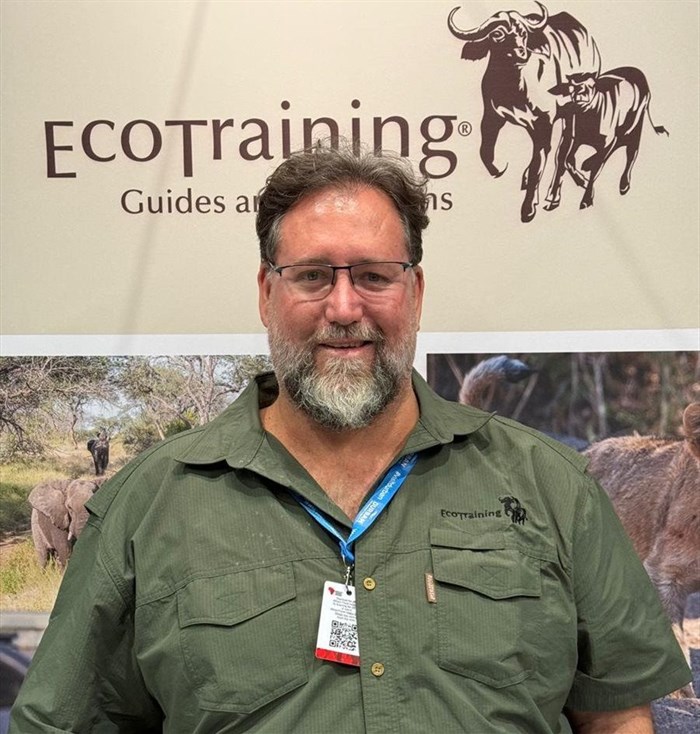 Source: Supplied | Anton Lategan, Managing Director, EcoTraining As demand grows for more meaningful safari experiences, so too does the need for highly skilled guides capable of interpreting ecosystems, ensuring guest safety and creating lasting connections between travellers and nature. That growing emphasis on conservation education recently saw EcoTraining recognised with the Innovation Award at Africa's Travel Indaba 2026. Bizcommunity spoke to Anton Lategan, managing director of EcoTraining, about the evolution of safari guiding, why immersive wilderness experiences are gaining momentum, and how guide training is supporting conservation and rural tourism economies across Africa. There’s increasing discussion around a shortage of qualified safari guides across Africa — what do you see as the main factors driving that challenge right now?Every industry starts unregulated, then moves to self-regulation through associations that set sector standards. Over time, governments step in with educational and professional compliance frameworks. But demand for safari guides is dynamic and often outstrips the pace of regulation, which can lead to a skills shortfall. This is where EcoTraining has been particularly effective. Over 33 years, we’ve carried professional guiding standards into 17 countries, delivering principles that can work in different geographic areas and legal territories. Respect for each country's authority is central to what we do, ensuring qualifications remain aligned and relevant on the ground. Leading safari companies typically engage EcoTraining to build guiding professionalism within their teams, and those people and skills then cascade into the wider industry. Each sovereign country holds authority over its own qualifications, but the cutting edge of professional guiding is also influenced by industry leaders who deal with high-end hospitality on a day-to-day basis. The challenge, and the opportunity, is to integrate national compliance with high-end tourism expectations through ongoing collaboration between regulators and the private sector. Another challenge is cost. Proper training requires highly qualified trainers, professionally developed curricula, travel, access to training areas (reserves) and expensive equipment, including vehicles, which means costs can quickly add up. How has the role of a safari guide evolved over the past decade — and what skills matter most today?Travellers have become more discerning, more informed, and more particular than in the past, but the foundations of guiding remain the same: safety, enjoyment, adventure, information, empathy, and the delivery of services at an increasingly high standard. This goes beyond taking people on safari, interpreting wildlife behaviour and serving a glass of Merlot. I believe the real evolution has been the empathy and attention afforded to each individual traveller to cater for their needs and interests, as well as delivering an ethical and immersive safari experience. I want to respectfully acknowledge that many top guides and lodges have been doing this all along, but this culture of individual attention and accountability is filtering into the wider market. Why do you think more travellers are shifting from passive safari experiences to immersive, skills-based learning like tracking and interpreting ecosystems?Most people live an urban – and increasingly digital – existence today. The disconnect from nature and genuine human contact is a sad by-product of a modern society that measures wellbeing largely through financial security. Safaris take us back into our natural home, where our bodies and our minds find sanctuary in their natural habitat. When all of our senses are triggered by the natural world, parts of us are allowed to rest while other parts come alive. This is entirely logical, given that humanity has lived in and with nature since the beginning of time. I don’t believe in the narrative of “treating yourself to time in nature”. It is not a luxury or an indulgence. We are reconnecting to where we belong, and that is precisely why immersive, skills-based safari experiences resonate so deeply with travellers today. What are the biggest trends currently shaping the safari industry, and what do they signal about where African tourism is heading?The competitive pursuit of upmarket luxury is alive and well. Some travellers want to be pampered, and that’s great. That market typically drives high-revenue models that in turn fund conservation, community development and education. Running in parallel is the rise of immersive, active experiences: mountain biking, horse riding, kayaking, wilderness trails, and programmes like EcoTraining’s EcoQuest or tracking courses that offer an adventurous alternative. These often combine physical challenge, sensory engagement, conservation insight, education and community involvement. These streams are not mutually exclusive, as high-end lodges often offer their own version of immersive experiences. I think we should be mindful that some high-end travellers are more mature or have less time, and the industry caters for all market segments. EcoTraining speaks about the rise of the “citizen guide.” Do you see this as a niche offering or a structural shift in how people engage with wilderness travel?Safari or nature guides lead guests into the wilderness. This is based on ecological understanding, exercising ecological intelligence, and communicating with ecological literacy. In other words, understand the world around you, be sensitive to those around you, and lead responsibly. If government and business leaders, teachers, moms and dads all understand nature better, we can become a generation of environmentally conscious citizens. In this context, the "citizen guide" applies to nature, as well as the broader context of all of humanity that can benefit from informed understanding and symbiosis. What role does guide training play in conservation beyond education — particularly in terms of real, on-the-ground ecological impact?Nature guides are the interpreters and hosts of the safari experience, and well-trained guides have an impact that reaches far beyond the reserve. If travellers are inspired and informed by knowledgeable and ethical guides, it can influence their everyday lives. “On the ground ecological impact” applies to all spaces, including the homes, businesses and countries that travellers come from, once they leave with inspiration and an understanding of nature. In addition, the revenue from safaris pays for ecological management, wildlife security, and the upliftment of local communities, all of which are the drivers of protecting the ecology. In some cases, guests can actually participate in ecological work, such as collaring lions, dehorning rhinos, and wildlife monitoring. From an economic perspective, how significant is field guide training in terms of job creation and supporting rural tourism economies?When people travel on safari, they are using their limited holiday time and hard-earned money to follow their dreams – and safari guides and tourism operators are responsible for meeting these expectations. Africa is uniquely powerful at reaching the hearts and minds of people. The cost of establishing and operating safari lodges and hosting international guests is significant and must be handled by professional service-minded people. Beyond a service transaction, the most important contact is between people, as we seek connection. The person who typically spends most time with travellers on safari is their guide. It is exciting, daunting, and exotic to land amongst the wildlife and people of Africa. The water tastes different, the cultures are vibrant, and the wildlife is spectacular. People rely on that special person to make them feel safe and at home on safari, and that is their safari guide. Their safety, well-being and happiness are influenced by the values, ethics and empathy of the safari guide. Safari guides hold the potential for people to return year after year, or to recommend a safari to their friends and family. This is the key to Africa's future: • Driving sustainable behaviour: A safari guide can change people's lives by reconnecting people to nature. This meaningful connection is often the driver of deep personal fulfilment and a commitment to the wider world of environmental consciousness. This consciousness drives sustainable behaviour throughout the world. • Funding protection loops: Safaris are the driver of revenue for wildlife protection, hospitality, and the purchasing of goods and services from communities around conservation areas. • Securing rural sustainability: The humanity of a good safari guide can be the catalyst for the financial sustainability of rural tourism economies. About Robin FredericksEditor at Bizcommunity. View my profile and articles... |
