#YouthMonth | From the Cape Flats to creative director at OFYT
As South Africa marks Youth Month, she reflects on her growth from intern to leader, the lessons that shaped her along the way, and why creating opportunities for the next generation matters more than ever.
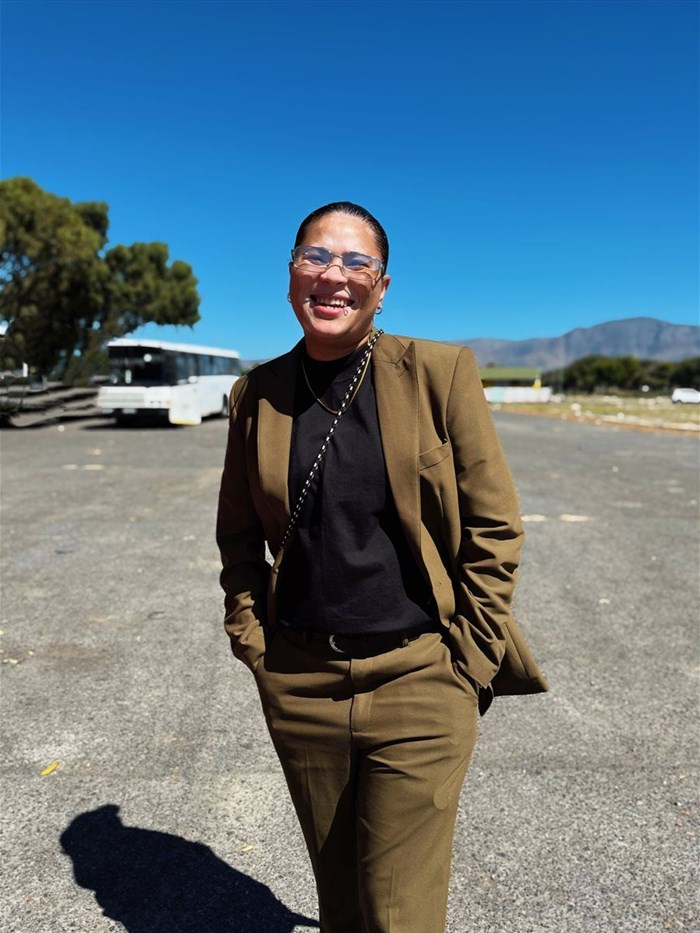
Let's start at the beginning, tell us about your journey at OFYT. How did it all begin, and what first drew you to the agency?
My journey with OFYT began in 2015 at an art exhibition I held at the Iziko Museum, where I first met Jono Shubitz. He told me about OFYT's internship programme and offered me a spot for the following year. At the time, I declined, I wanted to finish my studies before stepping into the big world, but I kept in touch. A few years later, in 2017, I went in for an interview, and from the moment I walked through the door, it felt like love at first sight. The energy, the people, the culture, everything drew me in immediately. I remember thinking, "Finally, I've found my people."
You started as an intern and have since grown into the role of creative director. What has that journey meant to you personally and professionally?
That journey has meant everything to me. Personally, it has been a story of self-discovery. Learning who I am, what I stand for, and what I'm truly capable of. Professionally, it has been a masterclass in growth. Going from intern to creative director is a change in title, but more importantly, it represents years of showing up, pushing through self-doubt, and consistently choosing to bet on myself. It's a reminder that dedication and passion will always find their way to the surface.
What were some of the biggest lessons or turning points that shaped your growth throughout your career at OFYT?
One of the most significant lessons I've learned is the power of speaking up and owning your voice. Early in my career, I was quite shy and reserved. I rarely contributed in meetings or brainstorms because I didn't fully believe in my own work. Over time, I began to feel like I was fading into the background, and I knew something had to change. So I took matters into my own hands. I spent a lot of time teaching myself motion design through YouTube tutorials, and as my skills grew, so did my confidence. I started contributing more boldly in meetings, taking on bigger and more complex projects, and stepping into spaces I once shied away from. That change from doubting myself to backing myself was the real turning point in my career.
How has OFYT supported your development, and what role has mentorship or workplace culture played in your growth?
OFYT has always given me the space and the time to truly craft my skills, and that is something I don't take for granted. I was fortunate enough to be mentored by some of the best in the industry; they saw potential in me, sometimes before I could see it in myself. OFYT is the kind of place that actually cares about seeing you grow, and that environment made all the difference in shaping the creative I am today.
In your experience, what does meaningful youth empowerment in the workplace actually look like?
OFYT lives up to its name in the truest sense. They let young talent actually do the work. From early on, I wasn't fetching coffees or sitting on the sidelines. I was in the room for important meetings, contributing to major projects, and being treated as a capable creative with valuable ideas. Meaningful youth empowerment isn't about giving young people a seat at the table as a gesture; it's about trusting them enough to let them shape the conversation once they're there.
South Africa faces significant youth unemployment challenges. What more do you think businesses and agencies can do to nurture young talent?
The biggest problem is that most jobs require experience, but you can't get experience without someone giving you the opportunity first. The truth is, many young South Africans don't lack talent or drive; they simply lack the opportunity to prove themselves. Businesses need to shift their mindset from seeking ready-made professionals to investing in developing them. That means creating genuine entry-level opportunities, extending trust to young people early in their careers, and providing the tools, mentorship, and guidance they need to grow.
How has your perspective on leadership evolved over time?
My perspective on leadership has been deeply shaped by the incredible people I've had the privilege of learning from throughout my career. I've taken a lot from watching how they lead, their decision-making, and the way they hold space for the people around them. The creative industry moves and evolves at an incredible pace, and I believe a great leader has to move with it. So while I draw on the wisdom of those who mentored me, I'm equally intentional about staying curious, staying relevant, and making sure the way I lead reflects the world we're actually working in today.

Marketing's role in empowering the next generation
What has helped you navigate growth, pressure, and self-confidence throughout your career?
My friends. Some of my closest friendships were formed right here at OFYT, and those relationships have been my anchor through it all. On the hard days when the pressure feels relentless, or self-doubt creeps in, they are the ones who bring me back to myself. They remind me of who I am, where I come from, and how far I've already come. In an industry that can sometimes feel like it demands everything from you, having people in your corner who truly know you is everything. I wouldn't be where I am without them.
Was there a specific moment that made you pause and realise just how far you had come?
There's one moment that stands out clearly. I was asked to art-direct a shoot with a relatively small budget, but it was significant to me personally. It was the first time I had worked with a full production team and was the one in charge. People were coming to me on the spot to get everything approved.
From final shots, hair, makeup, to styling and while it was overwhelming, it was also one of the most exhilarating experiences of my career. On my way home that evening, I couldn't stop smiling. I felt an immense sense of pride not just in the work, but in myself and in how far I had come from that quiet, uncertain intern who once hesitated to speak in meetings.
What inspires you creatively today, and how has your thinking evolved since your early days?
Early in my career, I drew inspiration almost exclusively from graphic design, which, looking back, made my work feel somewhat confined. I was working within a bubble, and as a result, my work started to look and feel like everyone else's. Over time, I widened my lens. Today, I find inspiration across all forms of art, music, painting, photography, but mostly film. There's a language to filmmaking; the way light, composition, and narrative work together to create emotion. The more I've grown in my craft, the more I've learned to see that language in everything around me. My inspiration is no longer just what I look at; it's how I look at things.
As a young leader, what responsibility do you feel comes with being in a position to inspire or mentor others?
I feel an enormous responsibility, and I don't take it lightly. I think about the version of me that walked into OFYT as a shy, uncertain intern who barely spoke in meetings. If I can be the person who sees a person’s potential before they see it themselves, the way people did for me, then I owe it to them to show up fully.
For me, that means being visible and creating space for young creatives to take up room without having to shrink themselves first. I never want someone on my team to feel like they're fading into the shadows the way I once did. Leadership, to me, is about making sure the people around you feel seen, trusted, and capable of more than they realise.
What advice would you give to young South Africans hoping to build careers in the creative, marketing or communications industries?
Three things. First, don't wait to feel ready, because that feeling may never come. I spent a lot of time early in my career holding back because I didn't think my work was good enough. Start anyway. Put it out there. Second, invest in yourself continuously. Some of my biggest growth didn’t come from the office, but from tutorials I watched, skills I taught myself out of necessity and curiosity.
The internet is full of knowledge; use it. And third, find your people. The creative industry can be intense and demanding, and you need a support system that keeps you grounded. Whether that's colleagues, friends, or mentors, surround yourself with people who remind you of your worth on the days you forget it.
What does Youth Month mean to you personally, especially considering your own career journey?
Youth Month feels deeply personal to me this year. When I think back to where I started, a girl from the cape flats with more self-doubt than confidence but look at mee now. This month is a reminder that young people in this country are talented and capable, and what most of us need is an opportunity and someone who believes in us. For me personally, it's a moment of gratitude.
What excites you most about the future, for yourself and for the next generation of young creatives?
What excites me most is how much space there is still to explore. The creative industry is evolving faster than ever. I feel like I'm only just beginning to scratch the surface of what's possible. I want to keep growing, keep making work that moves people, and eventually build something that creates opportunities for others the way OFYT created them for me. I’m excited for the next generation; they’re coming in more informed and more culturally connected. If we, as an industry, can meet them with the trust and opportunity they deserve, there is no limit to what South African creativity can achieve on the global stage.